%20(1).png?width=500&height=128&name=Elevation%20Atletics%20(3)%20(1).png)
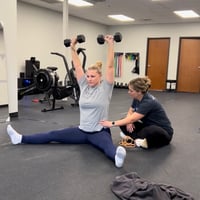
The pelvic floor is a group of muscles located at the base of your pelvis. These muscles play a...
As an active individual, you know how to train your body for peak performance. You understand dedication, discipline, and the importance of preparing for a big event. It's time to apply that same mindset to one of the most incredible athletic events of your life: childbirth.
Preparing your body for labor and delivery requires specific, targeted training, and it starts with a group of muscles you might not think about often—your pelvic floor. Properly preparing your pelvic floor can significantly impact your labor, delivery, and postpartum recovery.
It's about more than just getting through it; it's about empowering you to perform at your best. This guide will walk you through how to train this critical muscle group to ensure you are strong, flexible, and confident when the big day arrives.
What is the Pelvic Floor and Its Role in Childbirth?
Think of your pelvic floor as a muscular hammock or sling that stretches from your pubic bone to your tailbone. These muscles are unsung heroes, providing essential support for your bladder, bowel, and uterus. They are a crucial component of your core, contributing to stability in your pelvis and lower back—something every athlete relies on for powerful, controlled movement.
During pregnancy, your pelvic floor works overtime to support the increasing weight of your growing baby. When it comes to labor, its role transforms. It needs to be not only strong enough to provide support but also flexible and able to relax and lengthen to allow your baby to pass through the birth canal.
It's this dual requirement of strength and suppleness that makes specific training so essential.
 Key Exercises to Prepare Your Pelvic Floor for Labor
Effective preparation goes far beyond simply strengthening. The goal is to build a pelvic floor that is coordinated, responsive, and able to relax on demand. Integrating these exercises into your routine can help you achieve that balance.
Essential Pelvic Floor Preparation Exercises
- Diaphragmatic (Belly) Breathing: This is the foundation. When you inhale deeply, allowing your belly to expand, your diaphragm lowers and your pelvic floor gently lengthens and relaxes. As you exhale, your pelvic floor naturally recoils and lifts. Practicing this breathwork connects you to your pelvic floor muscles and is a powerful tool for managing contractions during labor.
- Perineal Massage: Starting around 34-36 weeks, perineal massage can help improve the elasticity and flexibility of the tissues your baby will stretch during delivery. This can help reduce the risk of tearing.
- Pelvic Mobility: Keeping your pelvis and hips mobile is key. Incorporate gentle movements like cat-cow stretches, hip circles, and deep squats (if they are comfortable and appropriate for you). Poses like "happy baby" can also help release tension in the pelvic floor and inner thighs.
- Coordinated Contraction and Relaxation: Practice both phases. A contraction is the "Kegel" or the feeling of gently lifting your pelvic floor as if stopping the flow of urine. Just as important is the relaxation phase, where you consciously release and let go of all tension. During labor, the ability to fully relax is what allows for progress.
How Pelvic Floor Physical Therapy Can Optimize Your Preparation
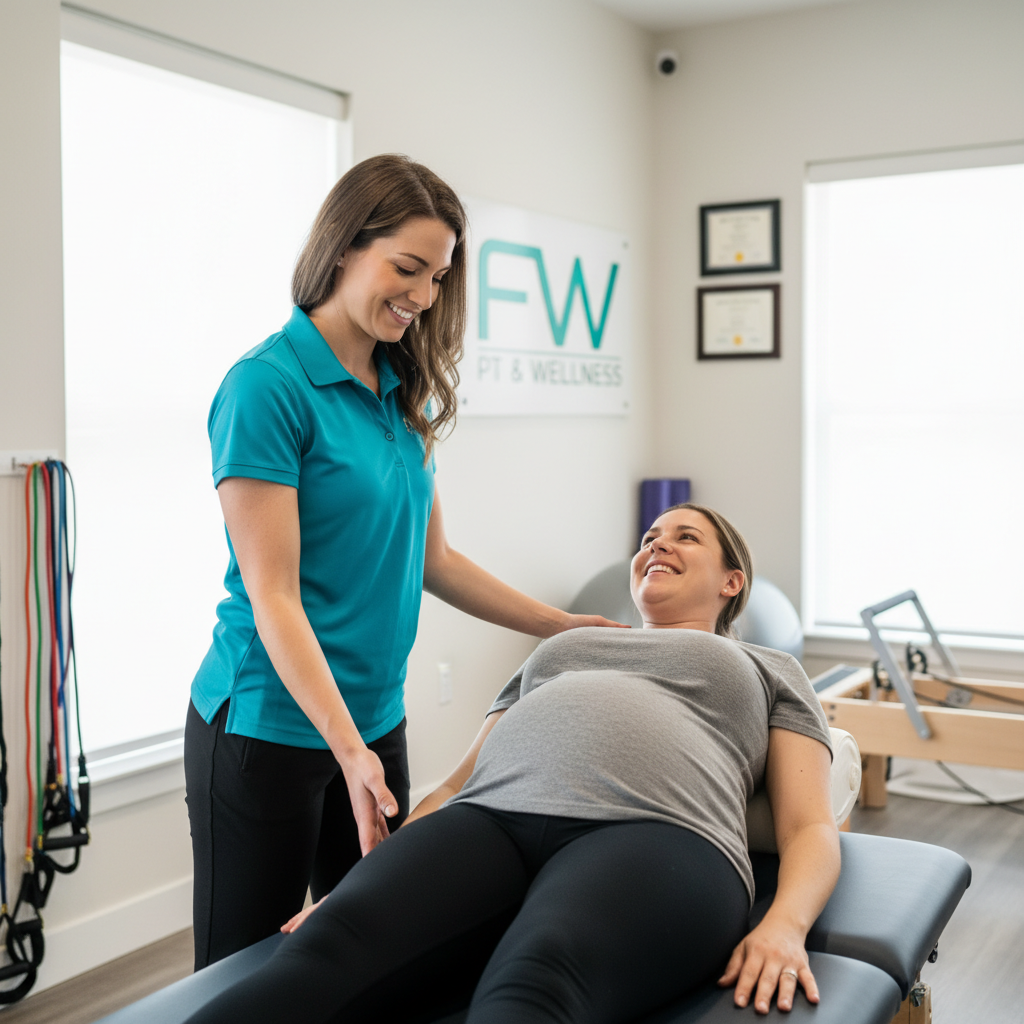
While these exercises are a great start, nothing beats the personalized guidance of an expert. A pelvic floor physical therapist acts as a specialized coach for the athletic event of birth. At Elevation Athletics, our team understands the unique demands on an athletic body and can tailor a program specifically for your needs and goals.
A physical therapist provides a comprehensive assessment to understand your unique pelvic floor function—its strength, endurance, coordination, and ability to relax. From there, we can use manual therapy to address any muscle tension or restrictions and design a customized exercise program that goes beyond generic advice.
We'll also guide you on optimal pushing techniques and laboring positions to help you feel prepared, empowered, and in control of your birth experience.
 Beyond Kegels: Common Misconceptions About Pelvic Floor Prep
One of the biggest myths in pelvic health is that Kegels are the only exercise you need. While Kegels (pelvic floor contractions) have their place, focusing on them exclusively can be counterproductive for labor preparation.
Childbirth requires the pelvic floor to open and lengthen. If your pelvic floor is already tight—which is common in athletes—overdoing Kegels without focusing on relaxation can make it even tighter. A hypertonic, or overly tight, pelvic floor can have difficulty relaxing during labor, potentially making pushing less effective.
True preparation involves a balanced approach that emphasizes breathwork, mobility, and the crucial ability to release and relax your muscles.
Empower Your Birth Journey with Expert Guidance
Preparing for childbirth is one of the most profound ways you can honor your body's strength and capability. By proactively training your pelvic floor, you are setting yourself up for a more positive labor, delivery, and postpartum recovery. You don't have to navigate this journey alone.
Ready to build a plan that empowers you for labor and beyond? The expert physical therapists at Elevation Athletics in Fort Worth are here to guide you every step of the way.
Ready to prepare for a smoother labor? Schedule your pelvic floor physical therapy session in Fort Worth, TX today